Metro Vision Eye Exams
What to Expect at Your Next Metro Vision Visit
Welcome to Metro Vision
Our team of Detroit-area optometrists, opticians, and frame stylists have combined thorough medical care with one of the largest selections of designer eyewear in Michigan.
Whether you’re preparing for your first pair of glasses, looking for advanced lenses to help at work, or choosing your next Gucci or Ray-Ban frames, Metro Vision is here to protect your vision and enhance your lifestyle.
What to Expect in Your Eye Exam
When you schedule an eye exam with Metro Vision, you can expect a detailed process tailored to your needs.
Case History: We begin by asking about your vision and health history, medications, family background, and current symptoms. This information helps us understand not only your eyes but your overall health.
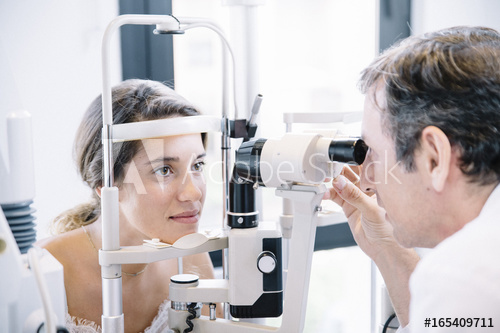
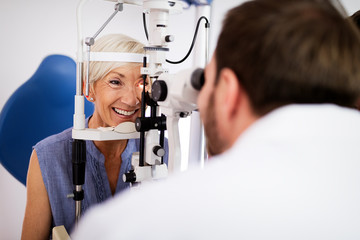
Visual System Analysis: Using advanced medical instruments, we evaluate both the internal and external parts of your eyes. We examine the retina, optic nerve, blood vessels, muscles, pupils, cornea, lens, iris, conjunctiva, eyelids, and eyelashes. This analysis helps detect glaucoma, cataracts, corneal diseases, and even systemic health concerns such as diabetes, high blood pressure, and neurological disorders.
Refractive Evaluation: We perform tests to measure your ability to see clearly and determine if prescription lenses are required.
Binocular Evaluation: This checks how well your eyes work together at both near and far distances, ensuring comfort for activities like reading, driving, and sports.
Diagnosis and Treatment Plan: Once all tests are complete, we provide a diagnosis and create a personalized treatment plan. This may include corrective eyewear, vision therapy, or medical follow-up.
A Brief History of Eye Exams
Eye exams have a long and fascinating history.
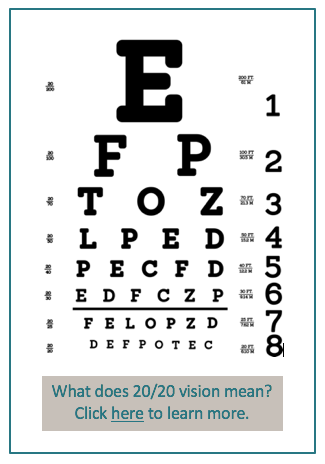
In ancient times, vision checks were as simple as asking if someone could see an object. The invention of spectacles in the 13th century brought new attention to systematic testing. By the mid-19th century, the Snellen chart standardized the way visual acuity was measured. Soon after, the ophthalmoscope was developed, allowing doctors to examine the inside of the eye for the first time.
In the 20th century, eye exams grew increasingly sophisticated. Tonometry was introduced to measure intraocular pressure for glaucoma detection. Refraction tests became more precise, and retinal photography gave doctors a clearer view of the back of the eye. Today, advanced imaging systems can measure corneal curvature, retinal thickness, and even map visual fields in digital detail.
Specialized eye exams also became common. Pilots require vision exams that meet FAA standards. Athletes began receiving sports vision testing to measure depth perception and reaction time. Military and law enforcement officers undergo exams to ensure safety and precision. Industrial workers need exams for protective eyewear to guard against hazards. Each specialty underscores the importance of tailoring exams to lifestyle and occupation.
Lifestyle and Eye Health
Your lifestyle plays an important role in your vision care. When you meet with a Metro Vision doctor, it helps to share:
-
Your current medications (including over-the-counter drugs).
-
Any vision difficulties such as blurring, dry eyes, double vision, eye strain, or trouble seeing at night.
-
Chronic health conditions like diabetes, hypertension, or past surgeries.
-
Your job and work environment—for example, extended computer use or bright overhead lighting.
-
Your leisure activities, such as sports, hobbies, or outdoor pursuits.
These details may seem small, but they allow your eye doctor to recommend the most effective lenses, coatings, or treatments.
Designer Eyewear and Specialty Lenses
After your exam, our frame stylists will help you find eyewear that fits your prescription, lifestyle, and fashion sense. Metro Vision carries one of the largest inventories of designer frames in the Detroit area, including Gucci, Ray-Ban, Giorgio Armani, Wiley X, Randolph, and more.
Specialty lenses are also available:
-
Blue-light filtering computer lenses.
-
Polarized prescription sunglasses for glare reduction.
-
Safety eyewear for industrial and law enforcement use.
-
Ultra-thin high-index lenses for strong prescriptions.
-
Sports lenses with impact resistance and enhanced contrast.
Frequently Asked Questions
It’s very common for patients to come to their eye exam and not understand how their lifestyle can affect their eye health. The more eye doctors know about their patients, the better they can prescribe the right eyewear and treat visual problems.
-
How often should I schedule an eye exam?
Most adults should have an eye exam once every year. Children, seniors, and patients with conditions like diabetes, hypertension, or a family history of eye disease may need more frequent exams. -
Do children need eye exams before starting school?
Yes. Pediatric eye exams are critical because vision problems can interfere with reading, learning, and classroom performance. -
What does 20/20 vision mean?
20/20 vision means you can see clearly at 20 feet what a person with normal vision should see at that distance. -
Does 20/20 vision mean my eyes are perfectly healthy?
No. You can have 20/20 vision and still have eye diseases like glaucoma, cataracts, or retinal issues that need monitoring. -
Can an eye exam detect diabetes or hypertension?
Yes. The blood vessels inside the eye often reveal systemic health problems, including diabetes, high blood pressure, and even early neurological conditions. -
What’s the difference between an optometrist and an optician?
An optometrist performs the exam, diagnoses problems, and prescribes lenses. An optician fits, adjusts, and styles your glasses or contact lenses based on the prescription. -
Are contact lens exams different from regular eye exams?
Yes. Contact lens exams include additional measurements, such as corneal curvature, to ensure proper fit and eye health. -
Do I still need an exam if my vision hasn’t changed?
Yes. Eye diseases can develop without obvious symptoms, so routine exams help catch problems early. -
What is a dilated eye exam?
Eye drops enlarge your pupils so the doctor can thoroughly examine your retina, optic nerve, and blood vessels. -
Why are exams especially important for seniors?
Seniors are at greater risk of cataracts, glaucoma, macular degeneration, and other age-related vision changes. -
Do you carry luxury designer eyewear?
Yes. Metro Vision offers Gucci, Ray-Ban, Giorgio Armani, DKNY, Wiley X, Randolph, and many other top designer brands. -
Do you provide prescription sunglasses?
Yes. Polarized prescription sunglasses offer superior glare reduction and UV protection. -
What are polarized lenses and why are they useful?
Polarized lenses filter reflective glare from water, snow, and shiny surfaces, making outdoor activities much more comfortable. -
Are blue-light lenses helpful for computer users?
Yes. They reduce digital eye strain, headaches, and may improve sleep quality by filtering harmful blue light. -
Do you offer glasses for children?
Yes. We provide durable, lightweight, and stylish children’s frames with prescription options. -
Can you make prescription lenses for sports eyewear?
Yes. We offer prescription swimming goggles, sports glasses, and safety eyewear. -
Do you offer safety glasses for work?
Yes. ANSI-rated safety eyewear is available for industrial and workplace use. -
Can you put new lenses into my current frames?
In most cases, yes, provided your frames are in good condition and structurally sound. -
Do you provide free adjustments after purchase?
Yes. Metro Vision offers complimentary adjustments to ensure your glasses remain comfortable. -
Do you carry ultra-thin lenses for strong prescriptions?
Yes. High-index lenses reduce thickness, weight, and distortion for stronger prescriptions. -
What are progressive lenses?
Progressive lenses provide seamless correction for near, intermediate, and distance vision without visible lines. -
Are progressives better than bifocals?
Many patients prefer them because they provide clear vision at multiple distances without the “split line” look of bifocals. -
What are trifocals?
Trifocals provide three zones—distance, intermediate, and near—but with visible dividing lines. -
What are single vision lenses?
These lenses correct vision for one focal point, such as distance-only or reading-only. -
Can progressive lenses take time to adjust to?
Yes. Most people adapt within a few days to a few weeks. Our opticians will guide you through the process. -
What is a refractive evaluation?
A test that determines how well your eyes focus and whether you need prescription glasses or contacts. -
What is a binocular evaluation?
A test to measure how well your eyes work together at both near and far distances. -
Do lifestyle factors affect eye health?
Yes. Occupation, sports, screen time, and outdoor exposure all influence the best lenses for your needs. -
Can my medications affect my vision?
Yes. Some prescription and over-the-counter drugs can affect focus, dryness, or eye pressure. Always inform your doctor. -
Do you offer eyewear financing or specials?
Yes. Metro Vision frequently runs specials and offers manufacturer rebates on contacts and eyewear. -
Do you accept insurance?
Yes. We accept most major plans including VSP, Davis Vision, Blue Cross Blue Shield, and Ford. -
Can I use my HSA or FSA for eyewear?
Yes. Eyewear, exams, and contacts are eligible medical expenses under most HSA and FSA accounts. -
Do you carry frames for smaller faces or children?
Yes. We stock petite and youth frame sizes to fit every patient comfortably. -
Do you provide vision therapy?
Yes. In some cases, therapy is recommended to strengthen binocular function or correct focusing problems. -
Do you sell contact lenses?
Yes. We carry Acuvue, Bausch & Lomb, Biomedics, and many specialty contacts. -
What types of contact lenses do you offer?
Daily, monthly, toric for astigmatism, bifocal, and colored lenses are all available. -
Can you order specialty lenses?
Yes. Specialty orders are available for unique prescriptions or occupational needs. -
Do you provide polarized prescription sunglasses?
Yes. They are ideal for outdoor activities like fishing, driving, or skiing. -
Do you offer lenses for night driving?
Yes. Anti-reflective coatings and special filters can reduce glare from headlights. -
Do you provide lenses for computer users?
Yes. Computer-specific lenses reduce eye strain and enhance screen clarity. -
Do you have frames that fit progressive lenses?
Yes. Our staff will help select frames that maximize progressive lens performance. -
Do you provide warranties on glasses?
Yes. Many of our eyewear lines include warranties for defects or damage. -
How long does it take to get new glasses?
Most orders are ready within 7–10 business days, depending on lens complexity. -
Can you repair broken glasses?
Yes. We can often repair or replace parts like nose pads, screws, or arms. -
Do you carry prescription safety eyewear for law enforcement or military?
Yes. We offer ANSI-rated eyewear including Wiley X and Randolph lines. -
Do you carry transition lenses?
Yes. Photochromic lenses that darken in sunlight and clear indoors are available. -
Are transition lenses safe for driving?
Yes, but because car windshields block UV, they may not darken fully in vehicles. -
What is a cataract and can glasses correct it?
A cataract is a clouding of the lens in your eye. Glasses may help temporarily, but surgery is often required for long-term correction. -
Can eye exams detect neurological conditions?
Yes. Issues like multiple sclerosis, stroke, and other neurological disorders may present signs in the eyes. -
Do you provide exams for pilots or drivers?
Yes. We offer vision exams tailored to meet FAA and DMV requirements. -
Do you offer exams for athletes?
Yes. Sports vision testing can enhance reaction times, depth perception, and hand-eye coordination. -
Can eye exams reveal high blood pressure?
Yes. Damage to the tiny vessels in the retina can signal hypertension. -
Do you carry frames for wide faces?
Yes. We stock frames in a variety of sizes to suit all patients. -
Do you carry lightweight titanium frames?
Yes. Titanium frames are durable, lightweight, and hypoallergenic. -
Do you offer hypoallergenic frames?
Yes. Options include titanium and specialty plastics. -
Do you provide pediatric contact lens fittings?
Yes. In some cases, older children and teens may benefit from contacts. -
What if I see flashes or floaters?
Contact us immediately. Flashes or sudden floaters can indicate retinal detachment. -
What if I have chronic dry eyes?
We can prescribe drops, lifestyle adjustments, or specialty lenses to help relieve symptoms. -
What are the symptoms of glaucoma?
Early stages often have no symptoms, which is why exams are essential. Later, patients may notice loss of peripheral vision. -
Can exams detect macular degeneration?
Yes. Exams can identify early AMD signs before major vision loss occurs. -
Do you provide sunglasses for children?
Yes. We carry polarized and UV-protective children’s sunglasses. -
Do you offer lens coatings for durability?
Yes. Scratch-resistant, anti-reflective, and hydrophobic coatings are available. -
What is astigmatism?
A common condition where the cornea has an irregular shape, causing blurred or distorted vision. -
Do you carry frames for fashion-forward trends?
Yes. Our inventory includes the latest international eyewear trends. -
What is the average lifespan of glasses?
Typically 1–3 years, depending on wear, prescription changes, and care. -
How do I clean my lenses safely?
Use a microfiber cloth and lens cleaner. Avoid paper towels, tissues, or harsh chemicals. -
Can you make bifocal contact lenses?
Yes. Multifocal contact lenses are available for patients with presbyopia. -
Do you offer colored contacts?
Yes. We carry both prescription and non-prescription colored contact lenses. -
Do you accept walk-in exams?
Yes, though scheduling an appointment ensures the best availability. -
Can I bring my vision prescription from another doctor?
Yes. We can fill any valid prescription. -
Do you offer payment plans?
Yes. Flexible options are available for eyewear purchases. -
What brands of lenses do you carry?
Brands include Varilux, Crizal, Xperio, and other premium optical lines. -
Can I get glasses the same day?
In some cases, yes. Simple prescriptions may be ready the same day. -
What if my glasses don’t feel comfortable?
Come in for a free adjustment. Our opticians will refine the fit. -
Do you provide custom-tinted lenses?
Yes. Gradient, mirrored, and fashion tints are all available. -
Do you carry rimless frames?
Yes. Rimless and semi-rimless options are available for a minimalist look.
-
Do you carry oversized fashion frames?
Yes. Metro Vision stocks bold, oversized styles popular in designer collections. -
Do you provide safety goggles for lab or shop use?
Yes. Prescription and non-prescription goggles are available. -
What is presbyopia?
An age-related condition where the eye gradually loses the ability to focus on near objects. -
Do you provide reading glasses?
Yes. Prescription reading glasses are available in many styles. -
Do you offer military discounts?
Yes. Ask about special pricing for veterans and active duty members. -
Do you carry eco-friendly eyewear?
Yes. Sustainable frame options are available. -
What if my child loses their glasses?
We offer options and packages that include backup pairs for children. -
Do you provide eye exams for contact lens wearers?
Yes. These exams include fit assessments and lens health checks. -
Do you offer polarized clip-ons?
Yes. Clip-on polarized lenses are available for many frame styles. -
Do you stock high-fashion sunglasses?
Yes. Designer sunwear includes Gucci, Ray-Ban, Armani, and more. -
Do you provide eyewear for musicians or stage performers?
Yes. Specialty lenses are available for musicians, actors, and performers who need mid-range clarity. -
Do you offer UV-blocking contact lenses?
Yes. Some contacts include built-in UV protection. -
Do you offer lens replacement if my prescription changes?
Yes. We can replace lenses in your current frames. -
Do you carry frames suitable for progressive lenses?
Yes. Certain frame shapes work best with progressives. Our opticians will help guide you. -
What are anti-fatigue lenses?
Lenses designed to reduce strain during prolonged near work, ideal for students and office professionals. -
Do you provide specialty exams for truck drivers?
Yes. DOT vision exams can be performed to meet licensing requirements. -
Can exams detect eye tumors?
Yes. Eye exams can sometimes detect tumors in or around the eye. -
What happens if I don’t wear my glasses?
In most cases, not wearing them won’t cause damage, but it may lead to strain, headaches, or poor performance. -
Do you provide frames for seniors with arthritis?
Yes. We carry easy-to-handle, lightweight, and flexible frame options. -
Can children wear progressive lenses?
Yes. In some cases, progressives are prescribed for children with special vision needs. -
Do you provide polarized safety eyewear?
Yes. Safety glasses can be made with polarized and impact-resistant lenses. -
Do you stock Wiley X and Randolph Eyewear?
Yes. These lines are available for military, law enforcement, and outdoor use. -
Can sunglasses help prevent cataracts?
Yes. Sunglasses that block UV light reduce the risk of cataract development. -
Do you provide emergency eye care referrals?
Yes. We refer patients to specialists for urgent issues when needed. -
Can eyewear be tax deductible?
In some cases, yes, if prescribed and medically necessary. -
Do you provide frame warranties?
Yes. Many designer brands come with manufacturer warranties. -
Do you carry eyewear for fashion shows or events?
Yes. We stock the latest collections suitable for high-fashion use.
-
How often should I schedule an eye exam?
Most adults should schedule yearly exams. Children, seniors, and those with conditions like diabetes may need more frequent visits. -
Do children need eye exams before school?
Yes. Early exams identify vision problems that can interfere with learning. -
What does 20/20 vision mean?
It means you can see at 20 feet what a person with normal vision sees at 20 feet. -
Does 20/20 mean perfect eye health?
No. Eye exams check for disease, not just sharpness of vision. -
Can an eye exam detect diabetes or hypertension?
Yes. Blood vessels in the eye often reveal systemic health problems early. -
What is the difference between an optometrist and an optician?
Optometrists perform exams and write prescriptions; opticians fit and style your eyewear. -
Are contact lens exams different?
Yes. They include corneal measurements and special fitting. -
Why do I need an exam if my vision hasn’t changed?
Many eye diseases have no early symptoms. Exams help catch problems before they progress. -
What is a dilated eye exam?
Drops widen the pupil so the doctor can examine the retina and optic nerve. -
Why are exams important for seniors?
They help detect cataracts, glaucoma, and macular degeneration early. -
Can computer use affect my vision?
Yes. Long hours may cause eye strain, dryness, and blurred vision, which can be helped with lenses designed for screens. -
Do you carry luxury designer eyewear?
Yes. We carry Gucci, Armani, Ray-Ban, DKNY, and more. -
Do you offer prescription sunglasses?
Yes. Polarized options protect against glare and UV damage. -
Are polarized lenses worth it?
Yes. They greatly reduce glare from reflective surfaces like water, snow, or glass. -
Do you provide children’s frames?
Yes. We carry durable and stylish options for kids of all ages. -
Can I bring my own frames for new lenses?
Yes, if they are in good condition. -
Do you adjust or repair frames after purchase?
Yes. Adjustments are complimentary for our customers. -
Do you offer safety glasses for work?
Yes. We provide ANSI-rated safety eyewear for industrial jobs. -
Can you make prescription swimming goggles?
Yes. We offer prescription goggles and sports eyewear. -
Do you provide blue-light blocking lenses?
Yes. They reduce strain and may improve sleep quality.
Call today to schedule your eye exam
Eye exams are the key to lifelong vision health. At Metro Vision, we combine state-of-the-art technology, expert medical care, and the latest in designer eyewear to ensure you see clearly and look your best.
📍 Visit us at 39087 Garfield Road, Clinton Township, MI, or call (586) 286-7200 to book your appointment today.
Contact Metro Vision’s office for your next thorough eye examination.
Metro Vision Office Hours:
MONDAY: closed
TUESDAY: 10 am – 8 pm
WEDNESDAY: 10 am – 3 pm
THURSDAY: 10 am – 8 pm
FRIDAY: 10 am – 6 pm
SATURDAY: open every other Saturday
(please call ahead)
SUNDAY: closed
Call, Email or Fax
Phone: (586) 286-7200
Fax: (586) 286-4144
Email: metrovision@sbcglobal.net