Metro Contact Lenses
Contact Lenses
Contact lenses have transformed the way millions of people correct their vision. Unlike traditional glasses, contact lenses rest directly on the surface of the eye, providing a wider field of view and a natural look without frames. They are especially popular with people who lead active lifestyles, athletes who need freedom from glasses, and individuals who simply prefer the convenience and aesthetic appeal of lenses.
Modern contact lenses are highly versatile and available in a wide range of prescriptions, materials, and designs. Whether you need correction for nearsightedness, farsightedness, astigmatism, or age-related presbyopia, there is a lens option designed to suit your needs. From single-use daily disposables to long-lasting monthly lenses, and from toric lenses for astigmatism to multifocal lenses for reading and distance, today’s contact lenses offer customized solutions for virtually every lifestyle.
Advances in lens technology have also focused on comfort and eye health. Many lenses are made from breathable silicone hydrogel, which allows more oxygen to pass through to the cornea, keeping eyes healthier during extended wear. Others incorporate moisture-retaining technology, helping prevent dryness during long hours at work or screen use. For people concerned about aesthetics, colored lenses are available in both prescription and non-prescription versions, allowing wearers to enhance or change their eye color while enjoying clear vision.
Specialty contact lenses also exist for unique situations. Bifocal and multifocal contacts help patients who need both distance and reading correction. Orthokeratology lenses, worn overnight, temporarily reshape the cornea to provide clear vision during the day without lenses or glasses. Scleral lenses are larger, resting on the sclera rather than the cornea, and are often used for patients with irregular corneas or severe dry eye.
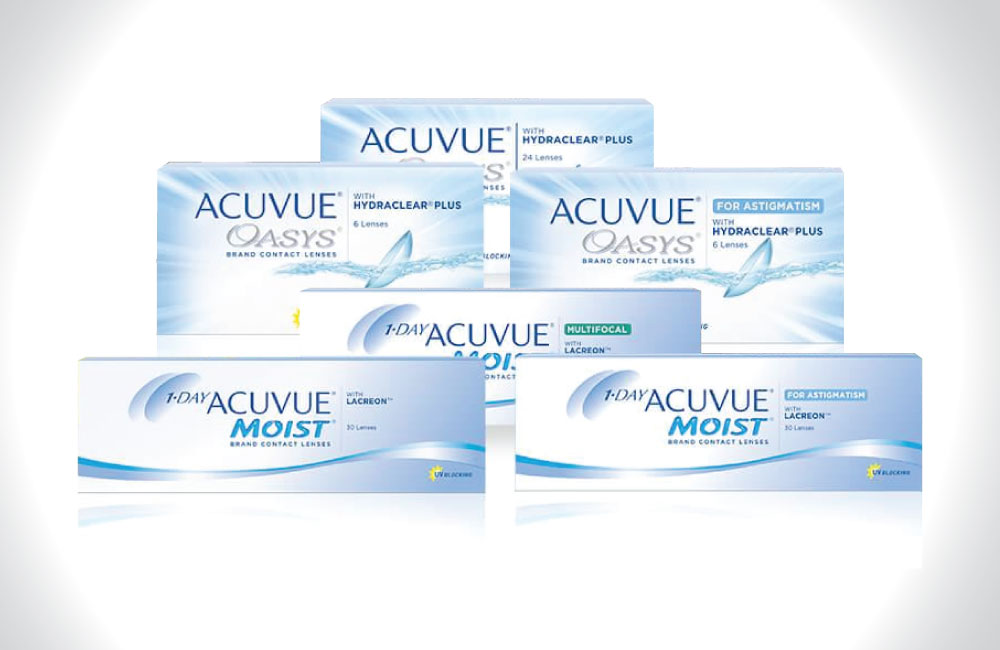
Safety and proper care remain essential for all contact lens users. Regular eye exams ensure that lenses fit properly and that eyes remain healthy. Proper cleaning and replacement schedules prevent infections and complications. At Metro Vision, we provide professional fittings and carry a wide selection of contact lens brands, including Acuvue, Bausch & Lomb, Biomedics, and others, to meet every prescription and lifestyle requirement.
Contact lenses represent more than just an alternative to glasses—they are a personalized vision solution. With the right fit, design, and care, they provide comfort, clarity, and confidence for work, play, and everyday life.
Contact Lenses
Contact lenses have transformed the way millions of people correct their vision. Unlike traditional glasses, contact lenses rest directly on the surface of the eye, providing a wider field of view and a natural look without frames. They are especially popular with people who lead active lifestyles, athletes who need freedom from glasses, and individuals who simply prefer the convenience and aesthetic appeal of lenses.
Modern contact lenses are highly versatile and available in a wide range of prescriptions, materials, and designs. Whether you need correction for nearsightedness, farsightedness, astigmatism, or age-related presbyopia, there is a lens option designed to suit your needs. From single-use daily disposables to long-lasting monthly lenses, and from toric lenses for astigmatism to multifocal lenses for reading and distance, today’s contact lenses offer customized solutions for virtually every lifestyle.
Advances in lens technology have also focused on comfort and eye health. Many lenses are made from breathable silicone hydrogel, which allows more oxygen to pass through to the cornea, keeping eyes healthier during extended wear. Others incorporate moisture-retaining technology, helping prevent dryness during long hours at work or screen use. For people concerned about aesthetics, colored lenses are available in both prescription and non-prescription versions, allowing wearers to enhance or change their eye color while enjoying clear vision.
Specialty contact lenses also exist for unique situations. Bifocal and multifocal contacts help patients who need both distance and reading correction. Orthokeratology lenses, worn overnight, temporarily reshape the cornea to provide clear vision during the day without lenses or glasses. Scleral lenses are larger, resting on the sclera rather than the cornea, and are often used for patients with irregular corneas or severe dry eye.
Safety and proper care remain essential for all contact lens users. Regular eye exams ensure that lenses fit properly and that eyes remain healthy. Proper cleaning and replacement schedules prevent infections and complications. At Metro Vision, we provide professional fittings and carry a wide selection of contact lens brands, including Acuvue, Bausch & Lomb, Biomedics, and others, to meet every prescription and lifestyle requirement.
Contact lenses represent more than just an alternative to glasses—they are a personalized vision solution. With the right fit, design, and care, they provide comfort, clarity, and confidence for work, play, and everyday life.
Daily Wear Contact Lenses
Daily wear contact lenses are the most popular choice for patients who want clarity and convenience without the commitment of long-term use. These lenses are designed to be worn during the day and removed at night, making them one of the healthiest options for contact lens wearers.
Daily wear lenses can be divided into two main categories: daily disposables and reusable daily wear lenses. Daily disposables are worn once and thrown away at the end of the day, offering unmatched hygiene and convenience. Reusable daily wear lenses, often designed for two weeks or a month, require cleaning and disinfecting but can be more cost-effective.
The major benefits of daily wear lenses include reduced risk of infection, excellent comfort, and flexibility for occasional or full-time wear. They are especially useful for people with sensitive eyes or allergies, as a fresh lens each day minimizes buildup of debris and allergens. Modern daily lenses are made with silicone hydrogel materials, which allow higher oxygen transmission to the cornea, promoting long-term eye health.
Daily wear contact lenses are ideal for children, teenagers, and adults who want simplicity. They are also a great option for people who travel frequently or lead busy lifestyles, since they eliminate the need for cleaning solutions and cases.
Daily Wear FAQs
-
What are daily wear contact lenses?
Lenses designed to be worn during the day and removed at night. -
What is the difference between daily wear and daily disposable lenses?
Daily wear lenses may be reused, while daily disposables are thrown away after one use. -
Are daily disposables healthier?
Yes. They reduce the risk of infections and discomfort. -
Are daily wear lenses good for sensitive eyes?
Yes. Fresh lenses each day minimize debris and allergens. -
Do daily lenses cost more than monthlies?
They may cost more per lens but save on cleaning supplies. -
Are daily lenses good for children?
Yes. They are easy to use and hygienic for younger wearers. -
Do I need cleaning solutions for daily disposables?
No. They are discarded after each use. -
Do daily lenses provide enough oxygen?
Yes, especially modern silicone hydrogel types. -
Can daily lenses be worn overnight?
No. They must be removed before sleeping. -
Do daily lenses come in prescriptions for astigmatism?
Yes. Daily toric options are available. -
Are daily lenses available in multifocal versions?
Yes. Daily multifocals correct presbyopia. -
Do daily lenses dry out quickly?
No. They are designed for all-day moisture. -
Are daily lenses comfortable?
Yes. Most patients find them very comfortable. -
Can I wear daily lenses part-time?
Yes. They are great for occasional use. -
Are daily lenses eco-friendly?
They create waste, but recycling programs exist. -
Can daily lenses be used for sports?
Yes. They are ideal for active lifestyles. -
Do daily lenses protect against UV rays?
Some include UV protection. -
Can I sleep in daily wear lenses by accident?
Occasional short naps may be safe, but not overnight. -
Are daily lenses available in colored versions?
Yes. Some brands offer daily colored lenses. -
Do daily lenses cause fewer allergies?
Yes, since each day begins with a clean lens. -
Do daily lenses work for long computer use?
Yes, but lubricating drops may be helpful. -
Can daily lenses be reused?
No. Daily disposables must be discarded. -
Are daily lenses more hygienic than reusables?
Yes, they are the cleanest option. -
Do daily lenses fit all prescriptions?
Most prescriptions can be made in daily lenses. -
Do daily lenses require special care?
No care is needed beyond normal handling. -
Can I switch from monthly to daily lenses?
Yes, with guidance from your doctor. -
Are daily lenses safe for teens?
Yes, especially with proper instruction. -
Do daily lenses last the whole day?
Yes, most are designed for up to 14–16 hours. -
Can I wear makeup with daily lenses?
Yes, but lenses should go in before applying makeup.
Extended Wear Contact Lenses
Extended wear lenses are designed for patients who prefer the convenience of continuous wear. Unlike daily wear lenses, these can be worn overnight for periods ranging from one week up to 30 days, depending on the lens type and doctor’s approval.
These lenses are made from silicone hydrogel, which allows significantly more oxygen to pass through to the cornea than traditional lens materials. This higher oxygen permeability makes overnight wear safer, though not risk-free. Extended wear lenses are popular among people with demanding lifestyles, such as travelers, shift workers, and those who don’t want the daily routine of inserting and removing lenses.
The benefits of extended wear lenses include convenience, excellent clarity, and comfort. However, they do carry a higher risk of infections compared to daily wear lenses. For this reason, regular check-ups with an eye doctor are essential for patients choosing extended wear.
Extended Wear FAQs
-
What are extended wear contact lenses?
Lenses designed to be worn continuously, even overnight. -
How long can they be worn?
Up to 30 days, depending on the lens and doctor’s advice. -
What makes them safe for overnight wear?
Silicone hydrogel materials allow higher oxygen flow. -
Are they risk-free?
No. Extended wear increases infection risk. -
Who should use extended wear lenses?
People with busy schedules who prefer convenience. -
Are extended wear lenses comfortable?
Yes, most patients report good comfort. -
Do they require cleaning?
If removed, they must be cleaned like other lenses. -
Can everyone wear extended wear lenses?
No, suitability depends on eye health. -
Are extended wear lenses FDA approved?
Yes, specific brands are approved for overnight use. -
Do they cost more than daily lenses?
They may be more expensive, but offer convenience. -
Can I wear extended wear lenses continuously for 30 days?
Only if approved by your doctor. -
Do they cause dry eyes?
Some patients experience dryness. -
Do they need follow-up exams?
Yes, regular check-ups are essential. -
Are they available in toric designs?
Yes, extended wear toric lenses exist. -
Are they available in multifocal versions?
Yes. Multifocal extended wear lenses are available. -
Are they good for athletes?
Yes, they provide freedom from glasses during activity. -
Can I nap in extended wear lenses?
Yes, but prolonged sleep should be monitored. -
Do they reduce oxygen to the eye?
Less than older lenses, but some reduction occurs. -
Do they cause infections?
Risk is higher than daily wear lenses. -
Can I switch from daily wear to extended wear?
Yes, if approved by your doctor. -
Do they last longer than daily disposables?
Yes. They can last up to a month. -
Are they safe for teens?
Only with strict medical supervision. -
Do they come in colored versions?
Some extended wear colored lenses are available. -
Can they be worn in water?
No, contact with water should be avoided. -
Are they suitable for travel?
Yes, very convenient for frequent travelers. -
Do they protect from UV light?
Some extended wear lenses include UV filters. -
Do they require special solutions?
Standard cleaning solutions are used. -
Do they last as long as glasses?
No, they need regular replacement. -
Are extended wear lenses popular?
Yes, though less common than daily disposables.
Toric Contact Lenses
Toric contact lenses are specially designed to correct astigmatism, a condition where the cornea or lens of the eye is irregularly shaped, causing blurred or distorted vision. Unlike spherical lenses, toric lenses have different powers in different meridians of the lens to correct uneven curvature.
These lenses must remain stable on the eye to provide consistent vision. They often feature designs that prevent rotation, such as thin-thick zones or ballast systems. Toric lenses are available in daily, bi-weekly, and monthly formats, and can also be made in extended wear versions.
Toric FAQs
-
What are toric lenses?
Contact lenses designed to correct astigmatism. -
How are they different from regular lenses?
They have varying powers in different meridians. -
Do they rotate on the eye?
They are designed to stay stable. -
Are toric lenses comfortable?
Yes, modern designs are very comfortable. -
Are they available as daily disposables?
Yes. Daily toric lenses exist. -
Are they available as monthly lenses?
Yes. Toric lenses come in all replacement schedules. -
Do toric lenses cost more?
Yes, they are usually more expensive. -
Do toric lenses come in colors?
Yes, colored toric lenses are available. -
Do toric lenses require more fitting time?
Yes, precise fitting is essential. -
Are toric lenses available in extended wear?
Yes. Some brands make them. -
Do toric lenses come in multifocal options?
Yes, toric multifocals exist. -
Do toric lenses slip during blinking?
No, stabilization designs prevent slipping. -
Are toric lenses safe for sports?
Yes, when properly fitted. -
Do toric lenses require special care?
No, care is the same as other lenses. -
Can I wear toric lenses with allergies?
Yes, daily disposables are best. -
Do toric lenses blur vision if rotated?
Yes, proper fitting prevents this. -
Are they harder to insert?
No, insertion is the same as other lenses. -
Can toric lenses correct high astigmatism?
Yes, but severe cases may need special designs. -
Do they last all day?
Yes, like other soft lenses. -
Are they available in rigid gas permeable form?
Yes, RGP toric lenses are an option. -
Do they require frequent replacement?
Same as other lenses, based on type. -
Are they suitable for children?
Yes, with doctor approval. -
Do toric lenses dry out faster?
Some do, but new materials reduce this. -
Do they come in daily multifocal torics?
Yes, but availability is limited. -
Are they good for night wear?
Only if extended wear versions are prescribed. -
Do they feel different from regular lenses?
No, comfort is similar. -
Are toric lenses widely available?
Yes, most major brands make them. -
Do toric lenses need special solutions?
No, standard lens solutions work. -
Are toric lenses worth the cost?
Yes, they provide clear, stable vision for astigmatism.
Multifocal Contact Lenses
Multifocal contact lenses are designed to correct presbyopia, the age-related loss of near focusing ability. These lenses combine multiple prescriptions into one lens, allowing wearers to see clearly at near, intermediate, and far distances.
Multifocals are available in soft lens and rigid designs, and can be made as daily disposables or monthly lenses. They may use concentric ring designs, aspheric optics, or segmented zones to provide seamless vision at all distances.
Multifocal FAQs
-
What are multifocal contact lenses?
Lenses with multiple prescriptions for near and distance vision. -
Who needs multifocal lenses?
People with presbyopia. -
Do they work like bifocal glasses?
Yes, but without visible lines. -
Do multifocals take time to adjust to?
Yes, adaptation may take a few weeks. -
Are they available as daily disposables?
Yes, daily multifocals exist. -
Are multifocals available as monthlies?
Yes, monthly multifocals are common. -
Do multifocals blur vision?
Some patients experience reduced sharpness. -
Do they cost more than regular lenses?
Yes, they are more complex to design. -
Do multifocals work for astigmatism?
Yes, toric multifocals are available. -
Do they provide clear distance vision?
Yes, while also improving near vision. -
Do multifocals help with computer use?
Yes, they improve intermediate vision. -
Do they work for all patients?
Most adapt, but not everyone. -
Do they reduce the need for reading glasses?
Yes, they often replace the need. -
Are multifocals comfortable?
Yes, like other soft lenses. -
Do they cause glare or halos?
Some patients notice these effects. -
Are they good for driving?
Yes, but some may prefer glasses for night driving. -
Are multifocals available in rigid gas permeable form?
Yes, RGP multifocals exist. -
Do multifocals provide depth perception?
Yes, though adaptation is required. -
Can multifocals be worn all day?
Yes, they are designed for full-day wear. -
Are they available in colored versions?
Rarely, but some options exist. -
Do they dry out eyes more?
Not usually, but depends on material. -
Are they available in extended wear?
Yes, certain brands make them. -
Do they improve quality of life?
Yes, by reducing dependence on glasses. -
Do multifocals work outdoors?
Yes, they provide full-range clarity. -
Do they need special solutions?
No, standard solutions are used. -
Do multifocals affect contrast sensitivity?
Sometimes, but many patients adapt. -
Are they worth the cost?
Yes, for patients who want freedom from glasses. -
Do they last long?
Yes, based on replacement schedule. -
Are multifocals widely available?
Yes, from most major manufacturers. -
Do they require extra fittings?
Yes, fitting is more complex.
Colored Contact Lenses
Colored contact lenses are designed for patients who want to change or enhance their natural eye color. They are available in prescription and non-prescription versions, allowing wearers to enjoy both cosmetic and corrective benefits.
Colored lenses come in enhancement tints (subtle color changes), opaque tints (dramatic changes), and special-effect designs (for theatrical use). They are available as daily disposables, monthlies, and some extended wear options.
Colored FAQs
-
What are colored contact lenses?
Lenses that change or enhance eye color. -
Are they safe?
Yes, when fitted and used correctly. -
Do they come in prescription form?
Yes, colored lenses can include vision correction. -
Do non-prescription colored lenses exist?
Yes, for cosmetic use only. -
Are colored lenses available as dailies?
Yes, daily colored lenses exist. -
Are they available as monthlies?
Yes, monthly colored lenses are common. -
Do they affect vision clarity?
High-quality lenses maintain clarity. -
Do they dry out faster?
Some wearers report dryness. -
Are colored lenses comfortable?
Yes, modern designs are comfortable. -
Do colored lenses cost more?
Yes, they are often more expensive. -
Can children wear colored lenses?
Only with medical supervision. -
Do they work for astigmatism?
Yes, toric colored lenses are available. -
Are multifocal colored lenses available?
Rare, but some options exist. -
Do they cover dark eye colors?
Yes, opaque lenses can cover dark eyes. -
Do they look natural?
Enhancement tints provide natural looks. -
Do colored lenses restrict oxygen?
Slightly, but modern materials are breathable. -
Are they safe to buy online?
Only with a prescription. -
Do colored lenses need cleaning?
Yes, unless they are daily disposables. -
Can I sleep in colored lenses?
No, unless approved for extended wear. -
Do they come in fun designs?
Yes, theatrical lenses offer dramatic styles. -
Are colored lenses FDA approved?
Yes, when sold legally. -
Do they require eye exams?
Yes, to ensure proper fit. -
Can I share colored lenses with others?
No, sharing is unsafe. -
Do they fade over time?
No, but lenses must be replaced. -
Are colored lenses popular?
Yes, especially for fashion. -
Do they block UV rays?
Some include UV protection. -
Can I wear makeup with colored lenses?
Yes, but insert lenses before applying makeup. -
Are they available worldwide?
Yes, from many global brands. -
Do they affect night vision?
Poor-quality lenses may, but most do not. -
Are colored contacts worth it?
Yes, for patients wanting cosmetic change with vision correction.
History and Future of Contact Lenses
The idea of contact lenses dates back to the Renaissance. Leonardo da Vinci sketched concepts for altering vision using water-filled glass in 1508. Later, René Descartes proposed placing a glass tube filled with liquid directly on the eye. These early concepts were impractical but laid the foundation for modern lenses.
The first successful contact lenses were made in the late 19th century. In 1888, Adolf Fick created the first scleral lenses from blown glass. These lenses covered the entire eye and could only be worn briefly due to discomfort and lack of oxygen. In the early 20th century, advancements in plastics allowed lighter, more comfortable designs.
By the 1950s, polymethyl methacrylate (PMMA) was used to create rigid lenses, but they still restricted oxygen flow. In the 1970s, hydrogel soft lenses revolutionized the industry, offering comfort and flexibility. Companies like Bausch & Lomb introduced soft contact lenses commercially, and adoption quickly spread worldwide.
The 1990s saw the development of disposable lenses. Daily and monthly disposables greatly improved hygiene and convenience. Silicone hydrogel materials in the late 1990s increased oxygen permeability, making extended wear safer. Specialty designs like toric and multifocal lenses further expanded options.
Today, the market includes colored lenses, scleral lenses, and orthokeratology lenses that reshape the cornea overnight. Advances in digital lens manufacturing and materials science have created highly customized designs.
The future of contact lenses is promising. Researchers are developing smart lenses capable of monitoring glucose levels in tears for diabetics, delivering medications directly to the eye, and even incorporating augmented reality displays. Companies are exploring contact lenses with built-in electronics for real-time health tracking.
As technology advances, contact lenses are expected to become not only vision-correcting devices but also health-monitoring and information-delivery tools. This evolution ensures that contact lenses will remain at the forefront of both medical science and consumer lifestyle innovations.
Contact Lenses Available at Metro Vision
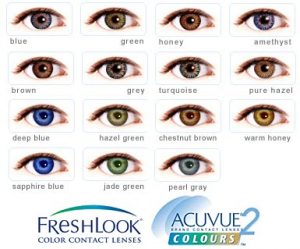
Acuvue
Acuvue 2
Acuvue 2 Colours Enhancers
Acuvue 2 Colours Opaque
Acuvue Advance
Acuvue Bifocal
Acuvue Torics
Bausch & Lomb
Biomedics 38
Biomedics 55
Boston ES
Ciba Focus Dailies
Ciba Focus Monthly
Ciba Focus Weekly
Ciba Illusions
Ciba Vision
CibaSoft Softcolors
Cooper Vision
CSI
Disposables
Durasoft 2
Durasoft 3
Durasoft 3 Opaque
Focus Night & Day
Freshlook Colors
Hydrocurve II
Optima 38
Paraperm O2
Preference Torics
RGP
Soflens 66
Softmate
Vistakon
Wild Eyes
Contact Lens Rebates
Contact our Metro Vision office for details on how you can save on manufactured contact lenses with special rebates.