Specialty Eyewear
Click Transitions Images below for larger view:
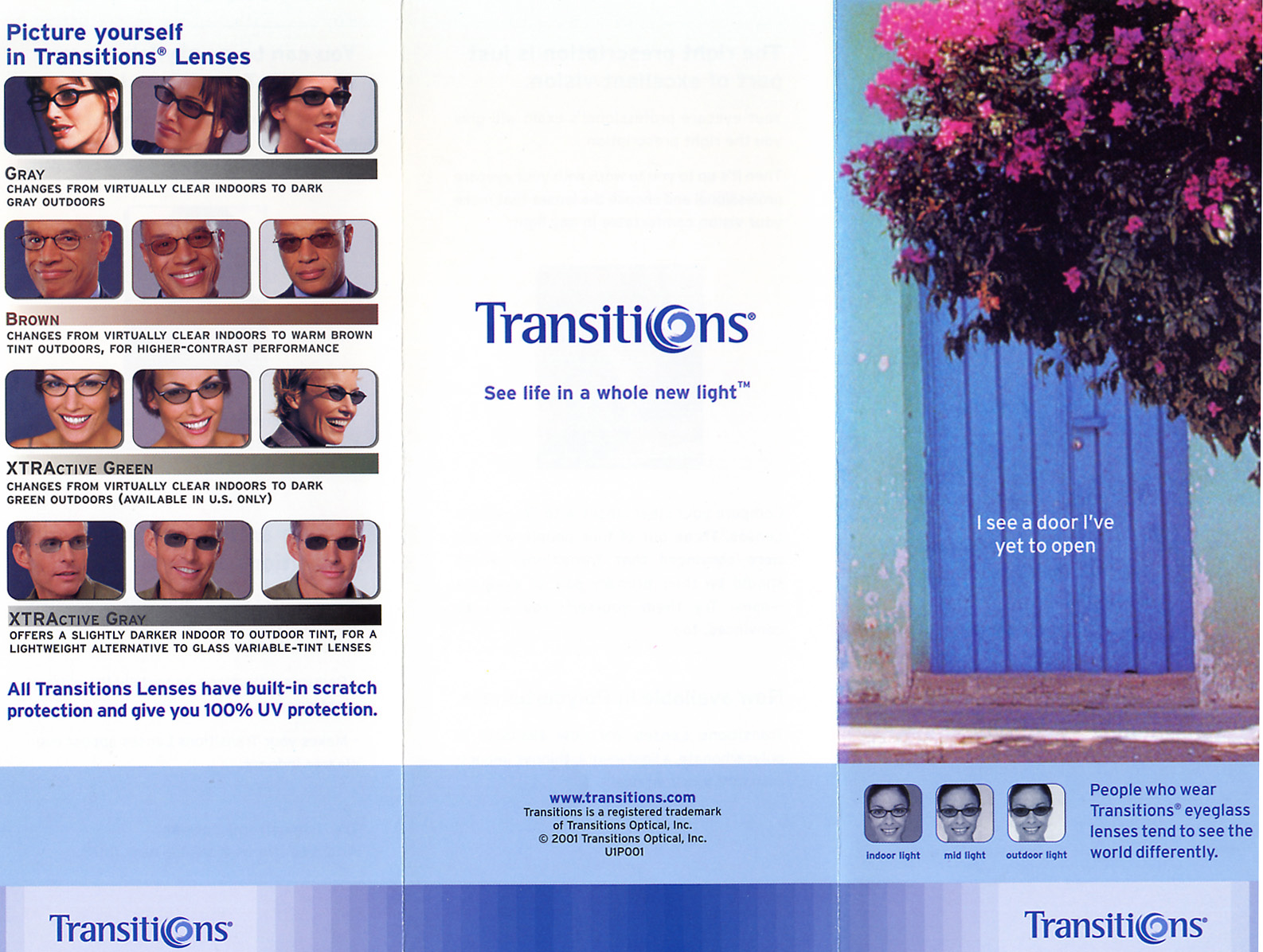
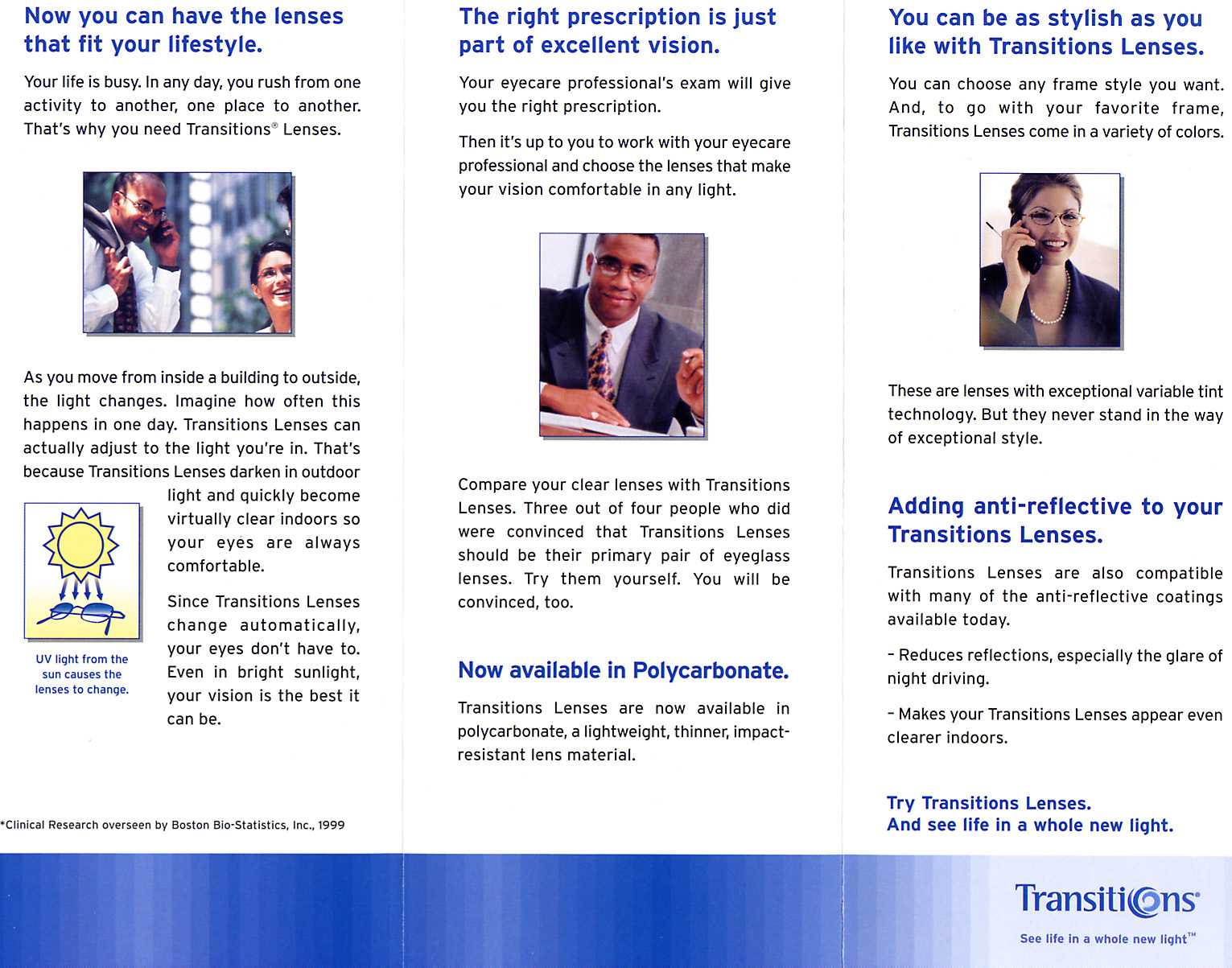
Specialty Lenses are recommended when certain work-related, hobby or other recreational uses require task-specific viewing for the best visual protection and or performance.

Explaining Specialty Lenses


Specialty Lenses
Introduction
Specialty lenses are designed for people whose visual demands go beyond ordinary everyday glasses. While most prescriptions are tailored for distance, reading, or multifocal needs, there are many situations in which task-specific lenses make all the difference. Whether you are working at a computer, driving at night, playing sports, or working in an industrial environment, specialty lenses provide targeted support, clarity, and protection.
Millions of Americans experience digital eye strain, glare on the road, or visual fatigue from poorly matched eyewear. Others risk injuries in sports or workplaces where proper protective lenses are essential. Specialty eyewear offers solutions tailored to these unique challenges. By using advanced lens materials, specialized coatings, and purpose-driven designs, these lenses maximize performance, safeguard vision, and enhance comfort.
At Metro Vision, we take time to understand your lifestyle and match it with the right specialty lens. From computer glasses to polarized driving lenses, from impact-resistant sports eyewear to ANSI-rated safety glasses, our goal is to ensure that your eyes are always protected and performing at their best.
Computer Lenses
Computer lenses are designed to reduce strain and optimize vision at the intermediate distances used for screens. Digital devices require unique focusing demands that ordinary single-vision, bifocal, or progressive glasses do not address well.
Computer Vision Syndrome (CVS) is now common, with symptoms like headaches, blurry vision, eye strain, and even neck and back discomfort caused by poor posture when adjusting to the wrong glasses. Computer lenses solve this problem by offering a wide intermediate zone so users can see the screen without tilting their head. Many also feature near vision zones for paperwork and reading, creating an “office lens” that covers all desk-related tasks.
Blue-light filters and anti-reflective coatings are often added to computer lenses. Blue light from digital screens may contribute to fatigue, disrupt sleep cycles, and possibly increase the risk of long-term eye damage. By reducing glare and filtering harmful wavelengths, these coatings improve comfort and clarity.
These lenses are recommended for office professionals, students, designers, and anyone spending two or more hours a day at a screen. They can be made in both prescription and non-prescription form, making them accessible even to those who do not normally wear glasses.
Computer Lenses FAQs
-
What are computer lenses?
Computer lenses are specially designed glasses optimized for screen use at intermediate distances. -
Who should use computer lenses?
Anyone who spends extended time at computers, tablets, or phones. -
Do regular glasses work for screens?
Not well. Standard lenses are designed for distance or reading, not for intermediate ranges. -
Do progressives work for computers?
Progressives include an intermediate zone, but it is often too narrow for comfortable screen use. -
What symptoms indicate I need computer lenses?
Headaches, blurry vision, eye fatigue, or dry eyes after screen use. -
What is Computer Vision Syndrome?
A collection of discomforts caused by prolonged digital screen exposure. -
Can computer lenses reduce headaches?
Yes, by reducing strain and glare. -
Do they block blue light?
Many designs include blue-light filtering. -
What coatings are best for computer lenses?
Anti-reflective coatings and blue-light filters. -
Do tinted computer lenses help?
Yes. Tints can enhance contrast and comfort. -
Can children wear computer lenses?
Yes. With more screen use in schools, many children benefit. -
Do computer lenses help with dry eyes?
They reduce strain but do not treat dryness directly. -
Do they change color perception?
Slightly, if tinted, but most preserve natural colors. -
Do I need a prescription for computer lenses?
They can be made with or without prescription. -
Do they help with night screen use?
Yes, by reducing glare and harsh blue light. -
Do gamers benefit from them?
Yes, they improve clarity and reduce fatigue during long sessions. -
Do they protect against long-term damage?
Reducing strain and blue light may protect long-term health. -
Do they cost more than regular glasses?
They are comparable in price to other prescription lenses with coatings. -
Can they be combined with reading strength?
Yes. They can incorporate near and intermediate correction. -
Do they work outdoors?
They are designed for indoor use, though some have photochromic options. -
Do they help improve sleep?
Filtering blue light before bedtime can improve sleep quality. -
Do I need them if I already wear glasses?
Yes. Standard lenses may not provide proper screen comfort. -
Do they come in contact lenses?
Some contact lenses filter blue light, but glasses are more effective. -
How long to adjust to them?
Most users adapt immediately. -
Can I wear them all day?
Yes, but they are optimized for near and intermediate distances. -
Do they reduce glare?
Yes, especially with anti-reflective coatings. -
Are they useful for office workers?
Absolutely, they are designed for office tasks. -
Do they improve productivity?
Yes, by reducing fatigue and increasing comfort. -
Are they available in stylish frames?
Yes. They can be fitted into any designer frame. -
Do they require special care?
Care is the same as regular lenses—use microfiber cloth and cleaning solution.
Prescription Driving Lenses
Driving requires sharp focus, quick reactions, and the ability to adapt to rapidly changing light conditions. Prescription driving lenses are designed to provide clearer, safer vision for day and night driving.
One of the biggest challenges drivers face is glare from headlights, sunlight, and reflective surfaces. Specialized coatings on driving lenses reduce glare and halos, especially at night. Polarized sunglasses are recommended for daytime driving, as they cut glare from roads and water. For night driving, anti-reflective coatings improve clarity and reduce starbursts around lights.
Driving lenses may also include contrast-enhancing tints, improving depth perception and helping drivers see objects more clearly in poor conditions. Photochromic lenses that darken outdoors and remain clear indoors can be particularly convenient.
For professional drivers and those who spend long hours on the road, dedicated driving glasses make a significant difference in both comfort and safety.
Driving Lenses FAQs
-
What are prescription driving lenses?
Glasses designed specifically for safe, clear vision while driving. -
Do they help with night driving?
Yes, especially with anti-reflective coatings that reduce glare from headlights. -
What is the best lens material for driving?
Polycarbonate or high-index materials are lightweight and safe. -
Do polarized sunglasses help drivers?
Yes, they reduce daytime glare from roads and windshields. -
Are polarized lenses safe for night driving?
No, they are for daytime use only. -
Do driving lenses help in rain or fog?
Yes. Contrast-enhancing tints can improve visibility. -
Do they improve depth perception?
Yes. Certain tints sharpen contrasts for safer driving. -
Can they be prescription or non-prescription?
Yes. Both options are available. -
Do they reduce eye strain on long trips?
Yes. Less glare means less fatigue. -
Do photochromic lenses help drivers?
Yes. They adapt to changing light but may not darken fully behind windshields. -
Do I need separate glasses for day and night driving?
Many people benefit from having both. -
Do they work for professional drivers?
Yes. They are highly recommended for truck and taxi drivers. -
Do they reduce halos around lights?
Yes. Anti-reflective coatings minimize halos. -
Are yellow night-driving glasses effective?
They may improve contrast, but anti-reflective coatings are better for true glare reduction. -
Do they protect against UV light?
Yes. Many driving lenses include full UV protection. -
Can they be stylish?
Yes. Driving lenses can be made in any designer frame. -
Do they reduce migraines caused by light?
For some patients, tinted lenses can reduce light sensitivity. -
Are they suitable for motorcyclists?
Yes. They improve safety for motorcyclists as well. -
Can children or teens use them?
Yes, especially for young drivers just starting out. -
Do they come in progressive designs?
Yes. Progressives can be optimized for driving. -
Are mirrored coatings good for driving?
Mirrored coatings cut glare but are mainly cosmetic. -
How often should I replace them?
Every 1–3 years, or when your prescription changes. -
Do they reduce eye strain at night?
Yes. Reduced glare and improved clarity help at night. -
Do they work in snowy conditions?
Yes. Polarized lenses are excellent for snowy glare. -
Are polarized sunglasses worth it for driving?
Absolutely. They greatly improve comfort and safety. -
Do they improve focus reaction time?
Clearer vision improves response time. -
Can they be combined with transition lenses?
Yes. Some drivers prefer transitions for convenience. -
Are anti-reflective coatings necessary?
Yes. They are the most important feature for night driving. -
Do they reduce fatigue on long commutes?
Yes, by minimizing glare and strain. -
Can they help prevent accidents?
By improving clarity and reducing glare, they may contribute to safer driving.
Sports Lenses
Sports lenses are critical for both protection and performance. Thousands of sports-related eye injuries occur every year, many of which could be prevented with proper eyewear. Sports lenses not only protect eyes from impact but also enhance contrast and clarity, helping athletes perform at their best.
Polycarbonate is the gold standard for sports eyewear because it is lightweight, impact resistant, and naturally UV protective. Scratch-resistant coatings and cushioned frames add durability and comfort. Sports lenses can be customized with different tints depending on the sport: amber for contrast, gray for natural color perception, yellow for low-light, and purple for clay or wooded backgrounds.
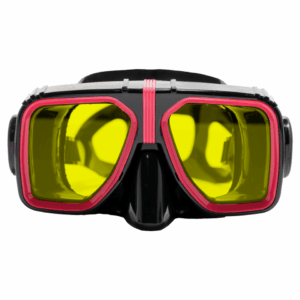
Sports eyewear includes goggles for swimming, helmets with visors for skiing, and prescription dive masks. With modern designs, protective eyewear no longer hinders performance—it enhances it.
Sports Lenses FAQs
-
Why are sports lenses important?
They protect against injuries and improve visual performance. -
What is the best material for sports lenses?
Polycarbonate for its strength and lightness. -
Do sports lenses provide UV protection?
Yes, most block 100% of UV rays. -
Do they scratch easily?
Most have scratch-resistant coatings. -
Are sports lenses comfortable?
Yes, many have padded bridges and lightweight frames. -
Do different sports need different tints?
Yes. Amber, gray, yellow, and purple are common. -
Do they come in prescription form?
Yes, sports lenses can be made with prescriptions. -
Are they required for youth sports?
Strongly recommended to prevent injuries. -
Do they help performance?
Yes, by improving contrast and clarity. -
Are they available in stylish designs?
Yes. Many are available in modern styles. -
Do they fog up?
Anti-fog coatings help prevent fogging. -
Can I get prescription swim goggles?
Yes. Custom prescription goggles are available. -
Do they work for skiing?
Yes. Tints and UV protection are ideal for snow. -
Do they work for shooting sports?
Yes. Specialized tints enhance target visibility. -
Are they durable?
Yes. Designed for high-impact sports. -
Do they fit under helmets?
Many are designed to fit comfortably under helmets. -
Are there interchangeable lenses?
Yes. Some frames allow lens swapping. -
Do they reduce glare?
Yes. Many include polarized options. -
Are they used in professional sports?
Yes. Many professionals rely on protective lenses. -
Do they improve depth perception?
Certain tints enhance depth cues. -
Can children use sports lenses?
Yes, highly recommended. -
Do they resist sweat damage?
Yes, many have sweat-resistant coatings. -
Are they expensive?
They vary but are affordable considering protection. -
Do they require special care?
Clean like any glasses, with microfiber cloth. -
Do they work in low light?
Yellow and amber tints are best in dim light. -
Do they break easily?
No. Polycarbonate is very tough. -
Can they improve reaction time?
Clearer vision can lead to faster reactions. -
Are they worth it for casual athletes?
Yes. Protection is valuable at all levels. -
Do they block wind and dust?
Yes. Wraparound styles offer extra protection. -
Do they last long?
With care, they last for years.
Industrial and Workplace Safety Lenses
Industrial and occupational lenses are designed to protect workers from hazards like dust, debris, sparks, and chemicals. In many industries, ANSI-rated safety eyewear is required by law.
These lenses are often made of polycarbonate or Trivex for maximum impact resistance. They can be customized with prescriptions, so workers do not have to sacrifice clarity for safety. Many safety glasses include side shields, wraparound designs, and anti-fog coatings for comfort in tough conditions.
Occupational lenses can also be task-specific: bifocals for welders, tinted lenses for outdoor construction, and clear safety glasses for laboratory work.
Industrial Lenses FAQs
-
What are industrial safety lenses?
Glasses designed to protect workers from hazards. -
Do they meet ANSI standards?
Yes, our lenses are ANSI-rated. -
Can they be prescription?
Yes. Prescription safety glasses are available. -
What materials are best?
Polycarbonate and Trivex for impact resistance. -
Do they scratch easily?
No, most include scratch-resistant coatings. -
Do they fog up?
Anti-fog coatings reduce fogging. -
Do they protect from chemicals?
Yes, certain designs shield from splashes. -
Are they lightweight?
Yes, modern safety lenses are comfortable. -
Do they have side shields?
Many include wraparound protection. -
Can I wear them all day?
Yes. They are designed for all-day comfort. -
Do they come in stylish frames?
Safety comes first, but styles have improved. -
Do they protect from UV rays?
Yes. Many include UV protection. -
Do they reduce glare?
Some include anti-reflective coatings. -
Do they fit over regular glasses?
Yes, over-the-glass models are available. -
Are they required by OSHA?
Yes, in many work environments. -
Do they work for welders?
Specialized tinted safety lenses are available. -
Do they work in labs?
Yes. Safety goggles protect from chemicals. -
Do they resist impact from tools?
Yes. They meet impact-resistance standards. -
Do they fit securely?
Adjustable frames provide secure fit. -
Do they come in prescription bifocals?
Yes. Occupational bifocals are available. -
Can they be tinted?
Yes. Outdoor workers often use tinted safety lenses. -
Do they cost more than regular glasses?
They are comparable but built for safety. -
Are they covered by insurance?
Some plans cover occupational eyewear. -
Do they help with dust?
Yes. Wraparound frames protect from particles. -
Are they resistant to sparks?
Yes. Polycarbonate resists heat and sparks. -
Do they last long?
Yes, with proper care. -
Can children use them?
Yes, for school labs or workshops. -
Do they require special cleaning?
Clean with microfiber cloth and approved cleaner. -
Are they comfortable?
Modern safety glasses are designed for comfort.